

Beyond Static Websites: The 2026 Digital Architecture Blueprint for Scalable Growth
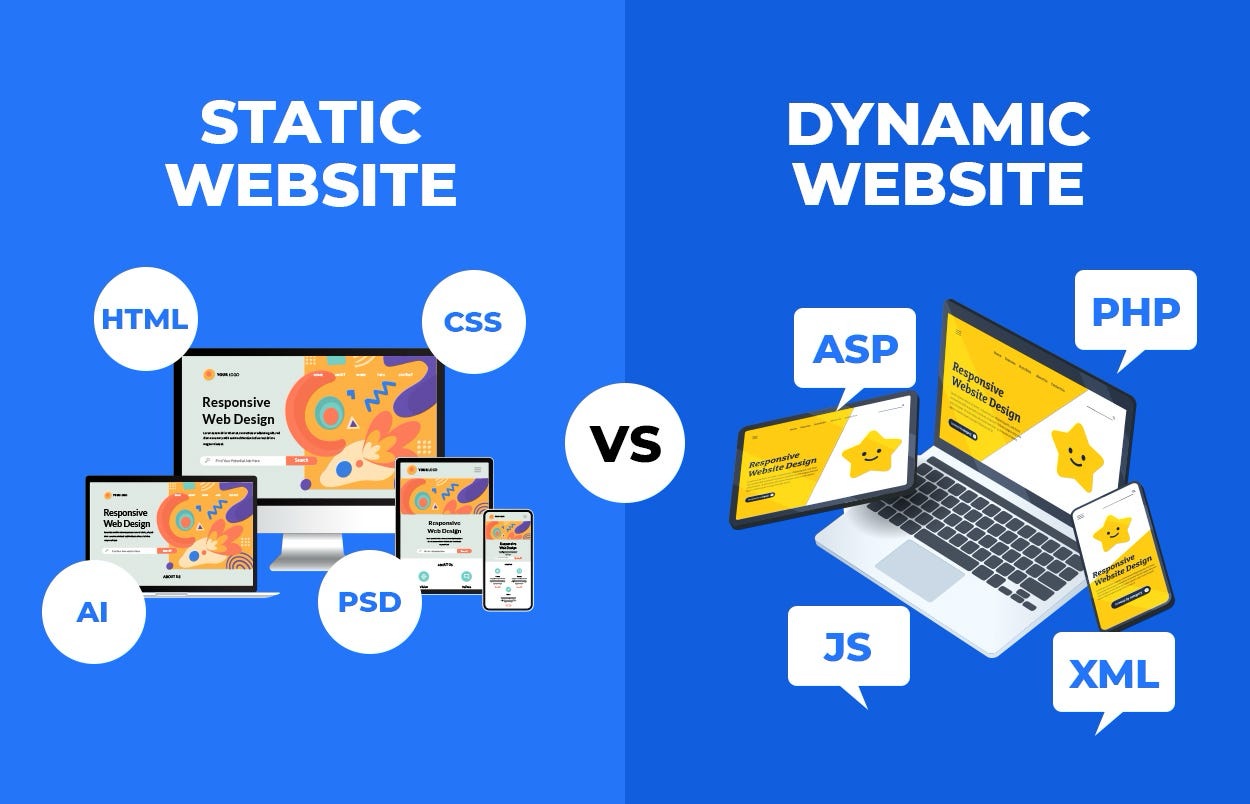
For over a decade, traditional businesses viewed their website as a digital business card—a static placeholder meant to provide contact information, list services, and occasionally host a blog post. In 2026, that passive approach is quietly bankrupting digital marketing budgets.
Today’s high-performing brands don’t just build websites; they deploy integrated digital architecture. At Bluesurge Digital, we’ve observed a definitive shift: businesses that integrate custom CRMs, behavioral automation workflows, and deep technical SEO pipelines convert traffic at up to 3.4x the rate of competitors relying on legacy static platforms.
1. The Death of the Brochure Website
When a visitor lands on a conventional website, they are met with static text and generic contact forms. The user experience is one-directional, and lead capture depends entirely on manual follow-up from sales personnel.
Modern consumers expect immediate, personalized interactions. A static page fails to address this demand for three critical reasons:
- Friction in Lead Capture: Unintegrated forms create delayed response times, letting qualified leads go cold.
- Data Silos: Traffic analytics stay isolated from inventory, sales pipelines, and customer lifecycle data.
- Search Engine Disadvantage: Modern AI search crawlers prioritize dynamic entities with fast load times, structured schema architectures, and real-time content updates.
Key Insight: Digital growth isn’t limited by lead volume; it’s limited by operational architecture. If your website doesn’t capture, route, and engage leads automatically, traffic investment is wasted.
2. The 4 Pillars of Modern Digital Architecture
Transitioning from a basic website to a revenue-generating digital ecosystem requires four interconnected components:
Pillar 1: Performance-Engineered Web Core
Blazing-fast load speeds, mobile responsiveness, and clean component structures are baseline expectations. Sub-second rendering ensures optimal user experience and search ranking visibility.
Pillar 2: Embedded CRM & Operational Automation
Syncing web forms directly into custom CRM and ERP systems eliminates manual data entry. Dynamic lead scoring assigns prospective clients directly to appropriate pipelines in real-time.
Pillar 3: Behavioral Email & Retargeting Loops
Instant automated responses triggered by user actions (such as downloading a whitepaper or requesting a system audit) keep prospect engagement high without requiring staff intervention.
Pillar 4: Semantic SEO & Structured Data
Deploying advanced Schema.org microdata helps search engines index and understand your brand’s core competencies, increasing organic ranking authority.
3. Technical SEO as a Structural Growth Engine
Modern Search Engine Optimization (SEO) goes beyond keyword density. It requires strict technical health, crawl efficiency, and entity optimization.
To dominate local and national search index rankings, your technical framework must enforce:
- Core Web Vitals Optimization: Optimizing Cumulative Layout Shift (CLS) and Interaction to Next Paint (INP).
- Dynamic Schema Markup: Providing structured JSON-LD scripts for services, products, FAQs, and organizational profiles.
- Programmatic Content Layouts: Building scalable content hubs that automatically interlink related insights and service offerings.
4. Action Blueprint: Upgrading Your Ecosystem for 2026
Upgrading your digital layout doesn’t require tearing down existing operations overnight. A structured rollout keeps transition risks minimal:
- Phase 1: Architecture Audit. Identify operational bottlenecks and lead loss points in your current web setup.
- Phase 2: Infrastructure Upgrade. Migrate legacy pages to a fast, secure Web framework with integrated API layers.
- Phase 3: Automation Deployment. Wire up CRM pipelines, automated email responses, and analytics logging.